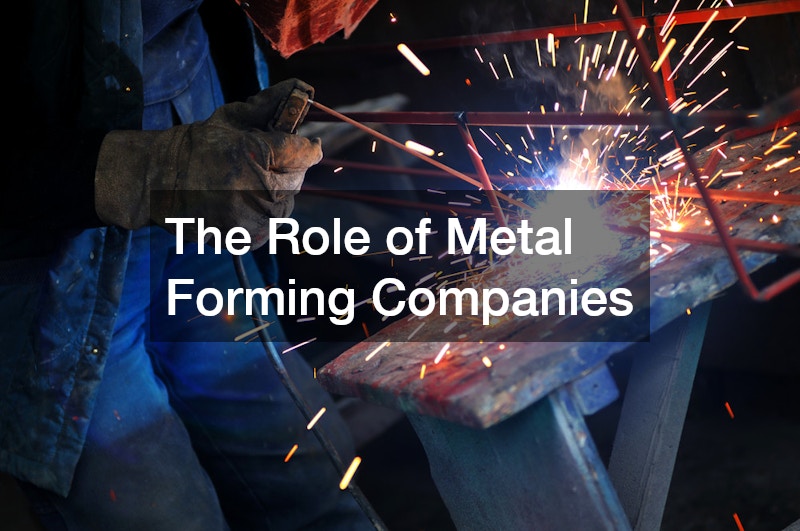
In today’s rapidly evolving industrial landscape, metal forming companies are indispensable pillars supporting various sectors. From automotive to aerospace, construction to consumer electronics, they shape the backbone of modern infrastructure and innovation.
What is Metal Forming and Its Importance?
Definition of Metal Forming
Metal forming is an essential manufacturing process involving reshaping metals without adding or removing material. Techniques like forging, rolling, and bending alter the metal’s properties and structure.
History and Evolution
Metal forming’s history spans thousands of years, with early techniques documented in ancient Egyptian and Mesopotamian societies. The Industrial Revolution transformed metal forming with mass production and mechanization.
Key Roles in Manufacturing
Metal forming companies play crucial roles by creating essential components and enabling technologies. Whether producing automobile parts, constructing infrastructure, or crafting electronics, metal forming techniques are foundational.
Industries that Rely on Metal Forming
Many industries rely on metal forming for customized, high-quality components. The automotive and aerospace sectors benefit from metal forming’s precision for lightweight yet robust parts. Electronics and household appliances also significantly benefit, as does the construction industry for infrastructure projects.
How Do Metal Forming Companies Operate?
Basic Processes and Techniques
Metal forming processes change the shape and properties of metal workpieces. Techniques like stamping, drawing, and extrusion offer advantages based on material and outcome. Companies use computer simulations to optimize sequences and improve precision, allowing customization to meet diverse industrial needs.
Factors Influencing Operations
Material selection, automation, and sustainability practices are critical factors in metal forming operations. Automation enhances production throughput and reduces labor costs. Energy consumption and sustainability are essential to align with environmental standards.
Collaboration with Suppliers and Clients
Collaboration among metal forming companies, suppliers, and clients achieves optimal results. Suppliers provide raw materials; efficient supply chains ensure smooth operations. Clients demand precision and reliability; continuous communication facilitates innovation and swift response to industry challenges.
Health, Safety, and Environmental Concerns
Metal forming companies must address health, safety, and environmental concerns. Machinery and high-temperature processes require strict safety protocols. Eco-friendly practices like waste reduction are vital. Prioritizing safety and environmental responsibility enhances reputations and complies with regulations.
What Technologies are Used in Metal Forming?
Traditional Techniques vs. Modern Methods
Traditional techniques like hot rolling, casting, and forging are industry bedrock. Modern methods provide enhanced precision, speed, and flexibility. Technologies like laser cutting supplement traditional practices for superior outcomes.
Computer-Aided Design and Manufacturing
CAD and CAM refine operations through precision and innovation. CAD software allows detailed modeling and simulations. CAM automates manufacturing, translating designs into components with precision.
Automation and Robotics
Automation and robotics revolutionize metal forming, enhancing productivity and consistency. Automated systems perform repetitive tasks, reducing hazardous exposure. Robotics handles complex tasks needing accuracy. This shift meets production standards while minimizing labor costs anderrorsr.
Advanced Materials and Their Applications
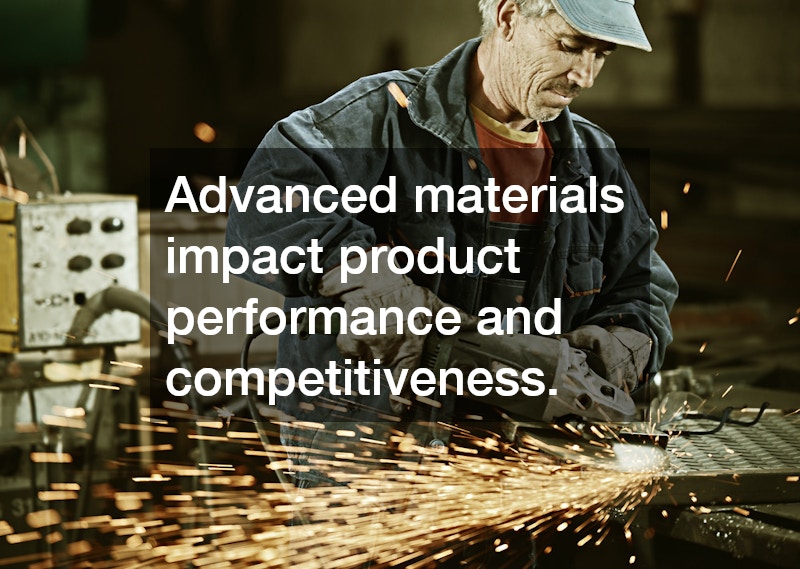
Advanced materials impact product performance and competitiveness. High-strength alloys and composites broaden application possibilities. These materials enhance durability, efficiency, and functionality. Ongoing research discovers new materials for performance and sustainability.
What are the Challenges Faced by Metal Forming Companies?
Global Competition and Market Pressures
Intense global competition and market pressures impact strategic decisions. Emerging economies increase market dynamics, affecting pricing and differentiation. Companies must innovate to remain competitive while delivering quality products.
Economic Fluctuations and Material Costs
Economic fluctuations and volatile material costs challenge companies. Cycles of growth and recession must be navigated without compromising production or quality. Cost management strategies mitigate these variable impacts for financial sustainability.
Skilled Workforce Shortages
The shortage of skilled workers is a major hurdle. Advanced machinery and production techniques require a skilled workforce. Companies must attract, train, and retain talent to maintain efficiency and foster innovation.
Regulatory and Compliance Issues
Complex regulatory frameworks present challenges across regions. Compliance with environmental, safety, and industry standards is obligatory. Regulatory changes can affect processes and investments. Companies must anticipate shifts and adjust to meet compliance.
Why Invest in Metal Forming Companies?
Market Demand and Growth Opportunities
The metal forming sector has robust demand from advancements in industries. Precision components in automotive, aerospace, and infrastructure drive growth. Global industrialization opens new market opportunities.
Financial Performance Indicators
Evaluating financial performance involves key indicators like revenue growth and profit margins. Consistent financial health indicates sound practices and efficiencies.
Strategic Partnerships and Alliances
Partnerships and alliances drive growth and market reach. Collaborations with suppliers and clients enable access to resources and innovation. Partnerships also accelerate technology adoption, strengthen competitive position, and scale operations.
Technological Edge and Innovation
Technological edge and innovation define industry leaders. Integrating cutting-edge technology and methods drives differentiation. Investment in R&D attracts premium clients and boosts opportunities.
Metal forming companies are vital in global manufacturing, driving innovation and efficiency. Their contributions are evident in high-quality components and technological advances. As the industry evolves toward sustainability and automation, their role expands, ensuring they remain key in manufacturing’s future.