
How to Upgrade Your Home: From Plumbing to Landscape Design
Upgrading your home can feel overwhelming, but it’s one of the most rewarding investments you can make. Thoughtful renovations improve comfort, safety, and energy efficiency while also increasing your property’s value. Whether you’re tackling a single project or planning a full-scale home transformation, a well-organized approach ensures better results, saves money, and reduces stress. This guide will walk you through essential home upgrades—from plumbing to outdoor design—so you can make informed decisions and get the most out of your investment.
Revitalize Your Plumbing System
A functional plumbing system is the backbone of a comfortable home. Ignoring minor leaks or slow drains can lead to major water damage and costly repairs.
Common Plumbing Issues to Watch For
– Dripping faucets and leaking pipes
– Slow or clogged drains
– Low water pressure
– Running toilets or unusual noises
Proactive Maintenance Tips
– Schedule regular inspections with a trusted local plumber.
– Replace worn washers, seals, and old pipes before they fail.
– Avoid chemical drain cleaners; they can damage pipes over time.
– Keep drains clean by using strainers and regularly flushing with hot water.
Choosing a Reliable Plumber

– Look for licensed, insured, and experienced plumbers in your area.
– Check reviews and ask for referrals from friends or neighbors.
– Compare estimates but prioritize quality and long-term reliability over the lowest price.
DIY vs. Professional Repairs
Minor tasks like tightening faucets or replacing aerators can be DIY projects, but anything involving main water lines or complex systems should be handled by experienced plumbers to avoid costly mistakes and safety hazards.
Keep Your Home Warm and Efficient
A properly functioning heating system is critical, especially in colder months. Faulty furnaces not only reduce comfort but also drive up energy bills and pose safety risks.
Signs You Need Furnace Repair
– Furnace repair for uneven heating in different rooms
– Strange noises or odors
– Frequent cycling on and off
– Increased energy bills without a change in usage
Routine Furnace Maintenance
– Replace or clean filters every 1–3 months.
– Schedule annual inspections with a professional HVAC technician.
– Keep vents and ducts clean and unobstructed.
Upgrades Requiring Certified Electricians
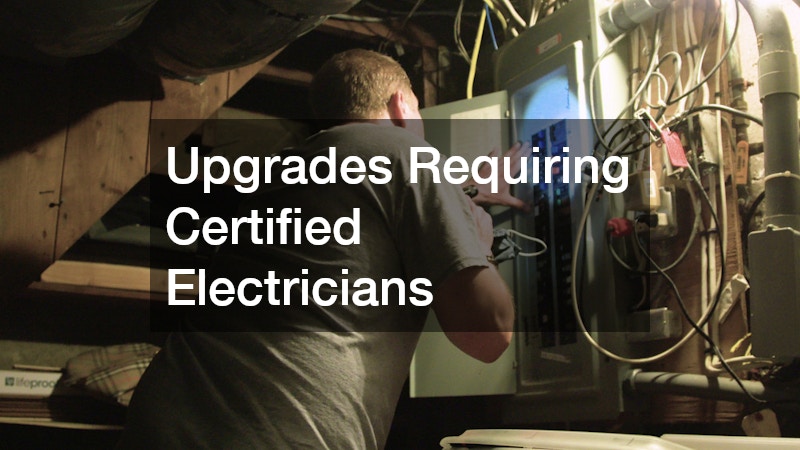
– Installing smart thermostats and advanced heating controls.
– Ensuring electrical wiring for heaters meets safety standards.
– Adding zoning systems for more efficient heating throughout your home.
All of these items should be left to certified electricians.
Energy-Saving Tips
– Seal gaps around doors and windows to prevent heat loss.
– Use programmable thermostats to reduce energy use when the home is empty.
– Consider upgrading to energy-efficient furnaces if your system is outdated.
Upgrade Your Kitchen for Style and Function
The kitchen is often the heart of the home, and a well-designed space boosts both functionality and style.
Planning Your Kitchen Layout
– Focus on workflow: placement of sink, stove, and refrigerator.
– Prioritize storage solutions, including pull-out shelves, pantry organizers, and deep drawers.
– Consider your lifestyle—frequent cooks may benefit from larger workspaces and durable surfaces.
Choosing the Right Cabinets
– Work with a reputable kitchen cabinet company to explore materials, finishes, and hardware options.
– Opt for soft-close drawers and doors for a high-end feel.
– Custom cabinetry can maximize space in awkward corners or under-utilized areas.
The Power of Custom Epoxy Surfaces
– Ideal for countertops, backsplashes, and even floors.
– Custom epoxy flooring offers durability, stain resistance, and a modern, polished look.
– Can be customized with colors, patterns, and finishes to match your kitchen design.
Installation Tips
– Schedule cabinet and epoxy installation with skilled professionals to avoid mistakes.
– Protect surrounding areas during the installation process.
– Confirm warranties and maintenance requirements for lasting results.
Protect Your Home With Roofing Solutions
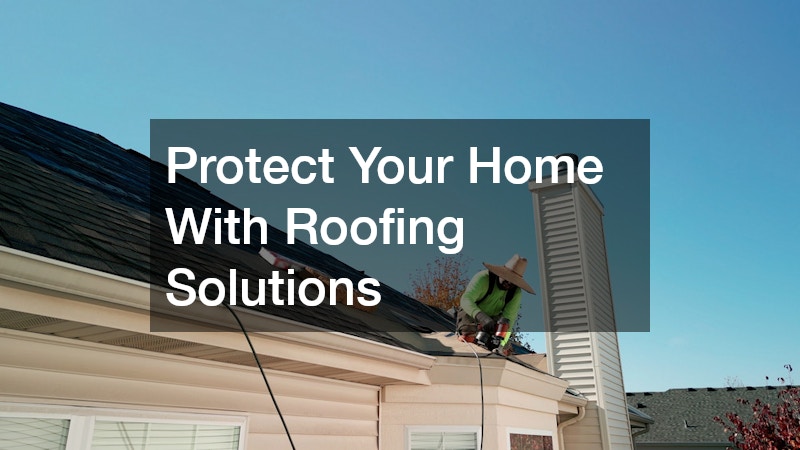
A strong roof protects your home from the elements and is a critical investment in long-term property value.
Identifying Roofing Problems
– Leaks, water stains, and sagging areas
– Missing, cracked, or curling shingles
– Mold or algae growth
– Drafts or temperature fluctuations in the attic
Roof Replacement Options
– Asphalt shingles: are affordable and durable roof replacement options
– Metal roofing: long-lasting and low-maintenance
– Tile or slate: premium options for aesthetics and longevity
Consider your climate, budget, and architectural style when choosing materials.
Flat Roofing Services
– Ideal for modern homes, garages, and commercial spaces
– Require regular inspections to check for ponding water, seams, and flashing issues
– Can be coated for additional weatherproofing and insulation
Flat roofing services can be used for many reasons.
Hiring Roofing Professionals
– Ensure contractors are licensed, insured, and experienced
– Ask for multiple quotes and check references
– Request a clear maintenance plan and warranty to protect your investment
Transform Your Outdoor Living Spaces
Outdoor areas are extensions of your home, offering relaxation, entertainment, and improved property value.
Planning Your Backyard Upgrade
– Identify how you’ll use the space: dining, lounging, play, or entertaining.
– Consider privacy, shade, and sunlight exposure.
– Create a cohesive flow between indoor and outdoor areas.
Working With a Deck Builder
– Choose materials that fit your climate and lifestyle: wood, composite, or PVC.
– Discuss design details with a deck builder: railing styles, built-in seating, and lighting.
– Ensure proper permits and adherence to local building codes.
Principles of Landscape Design
– Combine functional elements (walkways, patios, irrigation) with aesthetics (plants, flowers, textures).
– Select native plants for low-maintenance landscaping.
– Use focal points like water features or garden sculptures for visual interest.
Integrating Decks and Landscaping
– Ensure decks complement garden paths, patios, and lawn areas.
– Include planters or raised garden beds to tie the design together.
– Add lighting for safety and ambiance.
Integrating Multiple Upgrades for Maximum Impact
Coordinating multiple renovations can save time, reduce costs, and create a harmonious look throughout your home.
Tips for Effective Scheduling
– Start with plumbing and HVAC to avoid conflicts with finished surfaces.
– Plan roofing and outdoor work before interior projects if possible.
– Schedule cabinetry, flooring, and decorative finishes last.
Budgeting and Cost-Saving Strategies
– Bundle projects with contractors for discounts.
– Prioritize essential upgrades before aesthetic improvements.
– Consider phased renovations to manage cash flow.
Combining Indoor and Outdoor Upgrades
– Match exterior finishes with interior design elements for a cohesive style.
– Use complementary color schemes and materials.
– Ensure flow from indoor kitchens to decks and patios.
Maintenance Tips After Renovation
Proper maintenance protects your investment and extends the life of your upgrades.
Indoor Care
– Schedule annual inspections for plumbing, furnace, and electrical systems.
– Clean epoxy surfaces with non-abrasive cleaners to prevent damage.
– Dust and maintain cabinetry to prevent wear.
Outdoor Care
– Inspect decks for loose boards, nails, or rot regularly.
– Maintain landscaping with seasonal planting, pruning, and irrigation.
– Clean gutters and roof surfaces to avoid water damage.
Creating a Checklist
Develop a seasonal maintenance plan to keep everything in check:
– Keep warranties, receipts, and contractor contacts in one place.
– Regular maintenance reduces long-term costs and protects property value.
Upgrading your home requires careful planning, attention to detail, and collaboration with skilled professionals. By addressing plumbing, heating, kitchen, roofing, and outdoor spaces systematically, homeowners can enhance comfort, efficiency, and aesthetic appeal. Thoughtful upgrades not only improve daily life but also maximize long-term property value, making every investment worthwhile. With a clear plan and the right expertise, transforming your home can be a smooth and rewarding process.
Additional Considerations for Successful Home Upgrades
While you may have a good grasp on the primary upgrades discussed, it’s equally essential to consider the long-term impact of your renovations. Here are some additional tips to ensure your home upgrade journey is as successful as possible:
1. Sustainability Practices:
Implementing eco-friendly practices during your upgrades can significantly impact both your living environment and the planet. Explore options such as energy-efficient appliances, solar panels, and sustainable building materials. These upgrades are not only beneficial for the environment but can also lead to lower utility bills in the long run.
2. Technology Integration:
The rise of smart home technology has made many upgrades not only practical but also immensely rewarding. Consider integrating home automation systems that allow you to control heating, lighting, security, and appliances from your smartphone. This not only adds convenience but can improve energy efficiency and security.
3. Think Future-Forward:
When making upgrades, consider future needs. For example, if you’re planning a family, ensure that spaces can accommodate growth, or if you plan to age in place, install features that enhance mobility, such as grab bars in bathrooms or wider door frames. Additionally, think about the layout of your home; open floor plans can provide more flexibility for various life stages. Opt for durable materials that can withstand wear and tear from children or adjusted needs as you age. Energy-efficient upgrades can also save money in the long run, making your home more sustainable and comfortable as your circumstances evolve.
4. Enhancing Curb Appeal:
Don’t forget that the exterior of your home is just as important as the interior. Improving your front yard landscaping and ensuring your front door is welcoming can enhance first impressions and increase overall property value. A well-maintained garden filled with vibrant flowers and neatly trimmed hedges not only boosts curb appeal but also reflects your personality and care for your home. Simple touches, like adding decorative stone pathways or tasteful outdoor lighting, can guide visitors and create a warm and inviting atmosphere. In addition to landscaping, consider renewing your front door. A fresh coat of paint in a bold color can make your entrance stand out, while a beautifully crafted door knocker or stylish house numbers can add unique character. Don’t overlook the importance of seasonal decorations; a seasonal wreath or potted plants can provide a welcoming touch throughout the year. Moreover, maintaining a clean and organized exterior, such as regularly mowing the lawn, clearing debris, and painting any fences or railings, can significantly impact how your home is perceived. The exterior serves as a reflection of the care you put into your home. By investing effort into your home’s exterior, you not only create a more inviting environment for yourself and your guests but also position your property more favorably in the real estate market.
5. Seek Professional Guidance:
Whether you are unsure about color schemes, layout, or building regulations, never hesitate to consult with professionals. Interior designers, structural engineers, or landscape architects can provide invaluable insights that you might overlook, ultimately leading to a more streamlined and aesthetically pleasing outcome. Engaging these experts not only enhances the functionality of your space but also ensures it aligns with your vision and lifestyle. They can navigate complex building codes and zoning laws, thereby preventing potential legal issues down the road. Additionally, their experience can lead to innovative solutions that save time and money, while also introducing unique design elements that reflect your personal style and needs. Ultimately, enlisting the help of professionals can transform your project into a well-executed masterpiece.
6. Evaluate Return on Investment (ROI):
Not all upgrades provide equal returns in terms of value increase. Research what renovations yield the best ROI for your area. Kitchen and bathroom remodels typically offer higher returns compared to others, allowing you to make strategic investments in your property. It’s essential to consider the unique characteristics of your neighborhood and the preferences of potential buyers. For instance, adding energy-efficient appliances or modernizing fixtures can significantly enhance appeal. Additionally, curb appeal renovations, such as landscaping or exterior painting, can attract more interest and add value. Prioritizing upgrades that align with market trends can make a substantial difference when you decide to sell. Always consult with local real estate professionals who can provide insights specific to your community.
By considering these additional aspects as you undertake home upgrades, you can build a living space that is not only an oasis of comfort but also a model of efficiency and sustainability. With careful planning and execution, your home can become a true reflection of your style while offering lasting value for years to come. Emphasizing eco-friendly materials and innovative designs will enhance the overall aesthetic, ensuring that your upgrades are both visually appealing and environmentally responsible. Ultimately, your home can inspire others and contribute positively to the community.
With a clear plan and the right expertise, transforming your home can be a smooth, rewarding process.